Themes
1984
June and November 1984, what led to them, and what followed.
Show only this theme on the timeline
- Apr 30, 1976Major General Shabeg Singh dismissed from the ArmyThe Army dismissed Major General Shabeg Singh without a court-martial a day before he was due to retire. He was acquitted of the CBI's charges in February 1984.
- 1981-84KGB Operation KontaktSoviet forgeries feed Delhi's foreign-plot framing (Mitrokhin, disputed)
- Aug 4, 1982Dharam Yudh Morcha launchedThe Akali morcha for the Anandpur Sahib Resolution, moved to Amritsar on 4 Aug 1982; arrest totals are estimated at 150,000 to over 250,000.
- Dec 15, 1983Bhindranwale moves to Akal TakhtProgressive militarization
- 1984-1989Satwant and Kehar Singh trialHanged January 6, 1989
- Feb 13, 1984Shahbeg Singh acquitted by a special courtAlready directing the complex's defence
- Apr-May 1984Final negotiations collapsePolitical track exhausted
- Late May 1984Indian Army buildup beginsSix to seven divisions moved into Punjab
- May 30-Jun 3, 1984Pre-assault final positioningCurfew Jun 1; Punjab sealed, press barred Jun 3
- Jun 1984 onwardOperation Wood RosePunjab countryside operations
- Jun 1984Sikh Regiment mutiniesRamgarh and others; 55 killed, over 2,600 captured
- Jun 1-10, 1984Operation Blue StarAkal Takht left in ruins; Bhindranwale and Shahbeg Singh killed
- Oct 31, 1984Indira Gandhi assassinatedBeant Singh and Satwant Singh (bodyguards)
- Oct 31-Nov 4, 1984Tesra Ghallughara: Delhi PogromMobs killed Sikhs across Delhi for about 72 hours from 31 Oct 1984: 2,733 dead in Delhi by the official count (3,350 nationwide), over 5,000 by independent estimates.
- Nov 1984Gudha-Kanina: Sikh families besieged and driven out of MahendragarhIn Nov 1984 Sikh homes and shops at Gudha and Kanina Mandi in Haryana were burned and the Sikh population fled; the case surfaced in Aug 2012.
- Nov 1, 1984Bokaro Carnage: Sikhs attacked in Bokaro Steel CityOn Nov 1, 1984 mobs attacked Sikh homes and shops in Bokaro and Chas, then in Bihar; the Misra Commission counted 69 Sikhs dead, while the AISSF says 90.
- Nov 1-2, 1984Delhi Cantonment Massacre: Raj Nagar and Palam ColonyA mob of about 2,000 killed five Sikhs of one family in Raj Nagar and burned its gurdwara; Sajjan Kumar was convicted for it only in 2018.
- Nov 1984Kanpur MassacreMobs killed 127 Sikhs in Kanpur from 1 November 1984; cases were closed for lack of evidence until a Supreme Court-ordered SIT began arrests in 2022.
- Nov 1, 1984Pul Bangash MassacreA mob burned Gurdwara Pul Bangash in north Delhi on 1 November 1984 and three Sikhs were killed; Jagdish Tytler faces a murder trial 40 years later.
- Nov 1-3, 1984Sultanpuri MassacreSurvivors say Sajjan Kumar urged mobs to kill Sikhs in Sultanpuri on 1 November 1984; trials ran for decades and his life sentence came in a different Delhi case.
- Nov 1-3, 1984Trilokpuri MassacreMobs killed hundreds of Sikhs in Trilokpuri, East Delhi, from 1 to 3 November 1984 as police turned Sikhs away; in 2019 the Supreme Court set aside 15 convictions.
- Nov 1-2, 1984Tughlakabad and Nangloi killingsSikh passengers were killed on trains and at stations in Delhi on 1 and 2 November 1984; in 2012 Sikh groups said armed forces officers were among the dead.
- Nov 2, 1984Gurgaon MassacreOfficial records count 47 Sikhs killed in Gurgaon on 2 November 1984; a Haryana inquiry recommended Rs 12.07 crore in compensation 32 years later.
- Nov 2, 1984Hondh Chillar MassacreMobs killed 32 Sikhs in Hondh Chillar, Haryana, on 2 November 1984; the burned village came to light in 2011, after 26 years of silence.
- Nov 2, 1984Pataudi MassacreOn 2 November 1984 mobs killed 17 Sikhs in Pataudi, Haryana, a massacre that stayed unrecorded for 27 years until activists found the site in 2011.
- Jul 24, 1985Rajiv-Longowal Accord signedLongowal and Rajiv Gandhi signed a settlement on 24 July 1985 covering Chandigarh, river waters, the Misra Commission and AFSPA; most promises were never kept.
- Jul 31, 1985Lalit Maken assassinatedCongress MP Lalit Maken, his wife and a visitor were shot dead outside their Delhi home on 31 July 1985, seven days after the Rajiv-Longowal Accord.
- Aug 10, 1986General Vaidya assassinatedRetired Army chief Gen Arun Vaidya, who was responsible for clearing the Golden Temple in Operation Blue Star, was shot dead in his car in Pune.
- 2004Manmohan Singh becomes Prime MinisterFirst Sikh PM; no senior Congress leader convicted in his tenure
- Aug 2005Manmohan Singh apologises in Parliament for 1984Cases reopened; the senior accused still go unconvicted
- 2012 onwardCampaign to have the 1984 killings recognised as genocideFrom a 2012 White House petition to Ontario's 2017 motion and Delhi's 2018 resolution: how the call to name the November 1984 killings genocide moved through governments.
- Nov 1, 2013Sikhs file 1984 genocide petition at the UN in GenevaOn 1 Nov 2013 Sikh groups filed a petition of about one million signatures at the UN in Geneva, asking for an investigation of the November 1984 killings and recognition as genocide.
- Apr 22, 2014Cobrapost sting records Delhi Police officers on November 1984On 22 Apr 2014 the news portal Cobrapost released "Chapter 84", filmed conversations with retired Delhi Police officers who said police failed Sikhs during the November 1984 violence.
- Jan 15, 2017Wall of Truth memorial opens at Gurdwara Rakab GanjThe Delhi Sikh Gurdwara Management Committee opened the Wall of Truth beside Parliament, naming about 3,000 Sikhs killed in November 1984, after objections from the city council and a court petition.
- Apr 6, 2017Ontario legislature passes Motion 46 on the 1984 Sikh genocideOntario's Assembly voted 34 to 5 for a motion calling the 1984 killings of Sikhs a genocide, a year after a similar motion failed; India's foreign ministry rejected it as misguided.
- Dec 17, 2018Sajjan Kumar convicted for 198434 years after the pogrom
Also in this theme
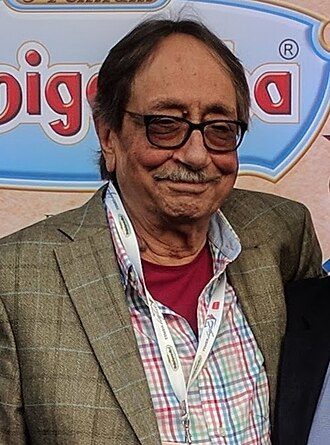 A. S. DulatFormer Secretary of RAW (1999 to 2000); former Special Director, Intelligence Bureau; author
- Aam Aadmi Party (AAP)The party founded in 2012 that has governed Punjab since 2022. It pressed for a 1984 inquiry from Delhi, and as Punjab's government it is now in open conflict with the Akal Takht.
- Ahuja CommitteeThe one-man committee that fixed the official Delhi toll of the November 1984 pogrom at 2,733 in August 1987. Its own report spells the name Ahooja.
- All India Sikh Students Federation (AISSF)The Sikh student federation formed in 1944. Led by Bhai Amrik Singh until he died at Blue Star in 1984, it was banned in 1984, split in 1986, and joined the 2013 Geneva petition on 1984.
- AAmit ShahUnion Home Minister of India (since 2019); former president of the BJP
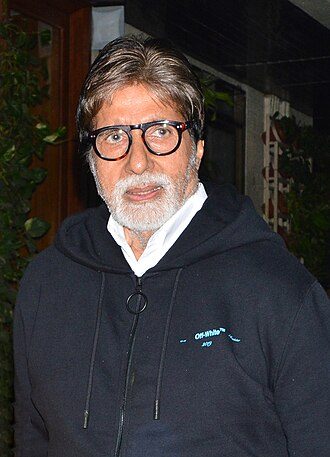 Amitabh BachchanFilm actor; Congress MP for Allahabad, 1984 to 1987
- AmritsarThe Sikh holy city, founded by Guru Ram Das in 1577. Home of Sri Harmandir Sahib, Sri Akal Takht Sahib and the SGPC; scene of Jallianwala Bagh (1919) and Operation Blue Star (1984).
- AArun NehruCongress politician; Union minister of state (1984 to 1986); cousin and close aide of Rajiv Gandhi
- AArun SinghCongress politician; Minister of State for Defence 1985 to 1987; friend and adviser of Rajiv Gandhi
- AArvind KejriwalLeader of the Aam Aadmi Party; Chief Minister of Delhi 2013 to 2014 and 2015 to 2024
- Baatcheet (Indian Army bulletin)The Indian Army’s newsletter for its own soldiers. Issue no. 153, quoted by Inderjit Singh Jaijee, asked troops after Operation Blue Star to report Amritdharis it called dangerous.
- BBaba Joginder SinghFather of Sant Jarnail Singh Bhindranwale; leader of the United Akali Dal
- BBaba Thakur SinghActing head of Damdami Taksal, 1984 to 2004
- Babbar Khalsa InternationalThe armed Sikh group that grew out of the 1978 Nirankari killings and took the name of the Babbar Akalis. India, the UK, Canada and the US list it as a “terrorist” entity; its record is told two ways.
- BBaljinder Singh KotbharaJournalist and author of the Kaurnama series
- BBhagat Puran SinghFounder of Pingalwara, Amritsar; sewadar
- ABhai Ajmer SinghSikh author and political analyst; speaker on Panthic politics and the 1984 Ghallughara
- ABhai Amrik SinghPresident of the All India Sikh Students Federation (AISSF); Damdami Taksal leader
- ABhai Avtar Singh BrahmaJathedar of the Khalistan Liberation Force (KLF), about 1987 to 1988
- PBhai Paramjit Singh MandWorking president (acting president) of Dal Khalsa
- BBhajan LalChief Minister of Haryana (1979 to 1986 and 1991 to 1996)
- BBibi BhagwaniSurvivor and witness, Sultanpuri, Delhi (1984)
- BBibi Bimal Kaur KhalsaMember of Parliament for Ropar, 1989 to 1991 (Shiromani Akali Dal Amritsar); widow of Bhai Beant Singh
- BBibi Jagdish KaurSurvivor and eyewitness of the November 1984 pogrom; key witness against Sajjan Kumar
- BBibi Nirpreet KaurSurvivor of the 1984 violence; hunger striker and petitioner against Sajjan Kumar's 2013 acquittal
- BBibi Upkar KaurLeader of the women's wing of the All India Sikh Students Federation; Shaheed of June 1984
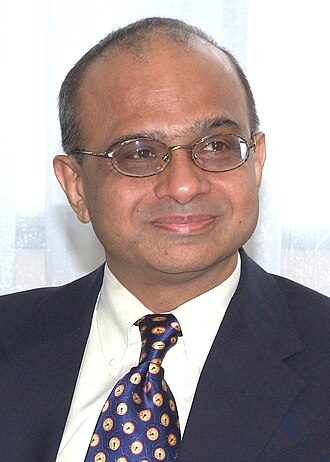 Brahma ChellaneyJournalist and strategic analyst; Associated Press correspondent at Amritsar in June 1984
- BramptonCity west of Toronto where Sikhs were 25.1 percent of residents in 2021; site of the 2017 Ontario motion on 1984 and the first Canadian Khalistan referendum vote in 2022.
- CanadaHome of the world's second largest Sikh community, 771,790 in the 2021 census; from the Komagata Maru and the 1947 vote to Air India 182, Ontario's 1984 motion and the Nijjar killing.
- CCaptain Amarinder SinghFormer Chief Minister of Punjab (2002 to 2007, 2017 to 2021); BJP leader
- Central Bureau of Investigation (CBI)India's federal investigating agency. It led the Khalra probe, the Delhi 1984 prosecutions of Sajjan Kumar and Jagdish Tytler, and handled seized material from the Sikh Reference Library.
- Citizens Justice CommitteePanel of eminent citizens, with H. S. Phoolka as convener, formed in 1985 to represent the Delhi victims of November 1984 before the Misra Commission. It withdrew on 31 March 1986.
- Dal KhalsaThe Amritsar-based Sikh organisation founded in 1978 that demands an independent Khalistan by political means. It is not the 18th-century Dal Khalsa army, whose name it took.
- DDalbir Singh PatarkarPunjabi journalist; author of Nerion Dithe Sant Bhindranwale
- Damdami TaksalThe Sikh school of Gurbani recitation and meaning at Mehta Chowk, led from 1977 to 1984 by Sant Jarnail Singh Bhindranwale. Its origin is told two ways: the Taksal's account and the Encyclopaedia's.
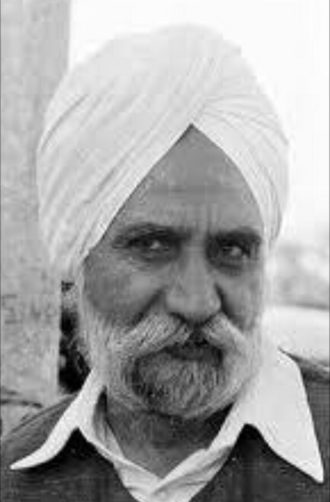 Darbara SinghCongress Chief Minister of Punjab, 1980 to 1983; Rajya Sabha member 1984 to 1990
- DelhiIndia's capital, where Guru Tegh Bahadur was martyred in 1675 and Banda Singh Bahadur in 1716, where Baghel Singh raised the historic gurdwaras in 1783, and where Sikhs were killed in November 1984.
- Delhi Sikh Gurdwara Management Committee (DSGMC)The elected statutory body that runs Delhi's historic gurdwaras under the Delhi Sikh Gurdwaras Act, 1971. It built the Wall of Truth for the 1984 victims and is split between rival Akali groups.
- DDharam Dass ShastriCongress MP for Karol Bagh, Delhi, in 1984; named by the Nanavati Commission
- Did the Akali leadership invite or accept the army action of June 1984?Some Sikh voices say the Akali leaders invited or helped the Army in. The record shows talks until late May, the leaders inside the complex, and a disputed charge that they surrendered.
- DDr Gurbhagat SinghLiterary critic; Professor of English and Dean of Languages, Punjabi University, Patiala; translator of Sri Guru Granth Sahib into English
- DDr Ranbir Singh SandhuAuthor and translator of Bhindranwale's speeches; Sikh diaspora activist in Ohio
- DDr Sewak SinghSikh academic and speaker; author of Shabad Jang
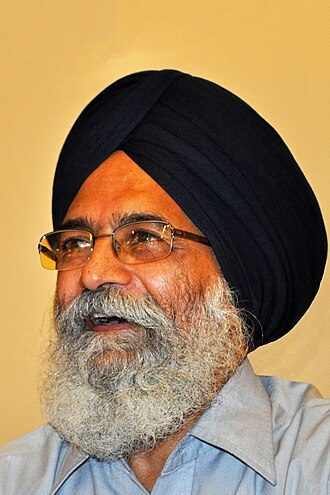 Dr Surjit PatarPunjabi poet; chairman of the Punjab Arts Council; recipient of the Sahitya Akademi Award, Saraswati Samman and Padma Shri
- EnsaafUS-based human rights group founded in 2004 that documents disappearances and killings in Punjab, 1984 to 1995, and the November 1984 pogrom. It builds on Jaswant Singh Khalra's work.
- Garg CommissionOne-man inquiry set up by Haryana in March 2011 under Justice T. P. Garg into the killing of Sikhs at Hondh-Chillar, later widened to Gurgaon and Pataudi. It recommended compensation.
- Garhwal RiflesIndian Army infantry regiment raised in 1887 at Almora. Its 9th Battalion fought in the assault on the Darbar Sahib complex in June 1984, where Naik Bhawani Datt Joshi won a posthumous Ashoka Chakra.
- GGeneral Arun VaidyaChief of the Army Staff, 1983 to 1986, during Operation Blue Star; killed in Pune on 10 August 1986
- GGeneral Krishnaswamy SundarjiLieutenant General, GOC-in-C Western Command (1983 to 1985); Chief of the Army Staff (1986 to 1988)
- GGiani Zail SinghPresident of India 1982 to 1987; Chief Minister of Punjab 1972 to 1977; Union Home Minister 1980 to 1982
- GGirish MahajanCabinet minister in the Maharashtra government (BJP)
- Government of IndiaThe Union executive under the Constitution; its Punjab record runs from the 1966 reorganisation and Blue Star through the 1985 Accord to the farm laws.
- Gurdwara Rakabganj SahibGurdwara beside Parliament in New Delhi where Guru Tegh Bahadur was cremated in 1675; scene of the 1913 to 1920 wall agitation, the 1 November 1984 siege and, since 2017, the Wall of Truth.
- HH. K. L. BhagatDelhi Pradesh Congress leader; East Delhi MP; Union minister; named by the Nanavati Commission over the November 1984 pogrom
- HHS PhoolkaSenior Advocate for 1984 pogrom survivors; former AAP MLA and Leader of the Opposition in Punjab (2017); joined the BJP in 2026
- HHarcharanjit Singh DhamiSenior Dal Khalsa leader; president of Dal Khalsa from August 2008
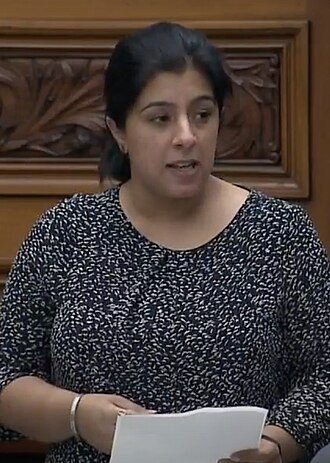 Harinder MalhiFormer Ontario MPP for Brampton-Springdale; mover of the 2017 Ontario motion on the 1984 Genocide
- HaryanaState cut out of Punjab in 1966: the other side in the SYL canal and Chandigarh disputes, site of 1984 killings that came to light in 2011, and home to its own gurdwara committee.
- How many people died in Operation Blue Star? The White Paper against other countsOfficial figures: 83 soldiers and 492 others. Officers who handled the bodies give 700 and more than 800; other estimates run to thousands. In June 1984 only five post-mortem reports bore names.
- ISI (Inter-Services Intelligence)Pakistan's military intelligence agency. Indian officials say it backed the Khalistan struggle and sheltered Kharku leaders in Lahore; Pakistani accounts are thinner. Most claims are allegations.
- IndiaThe republic Punjab has belonged to since 1947. About 20.8 million Sikhs, 1.7 percent of its people, live in it. The Panth's disputes with the state run through this history.
- Indian ArmyIndia's land force. It carried out Operation Blue Star at Sri Harmandir Sahib in June 1984, the attack the Akal Takht calls the third Ghallughara, and faced mutinies by Sikh soldiers afterwards.
- Indian National Congress (Congress Party)India's oldest national party, founded in 1885. It ruled at the Centre in 1984. Sikh groups hold it responsible for the November killings; the party says its top leadership was not involved.
- IIndira GandhiPrime Minister of India (1966 to 1977, 1980 to 1984)
- International Sikh Youth Federation (ISYF)A Sikh youth body formed at Walsall, England, on 23 September 1984 after Operation Blue Star; banned in India and Canada, and in the UK from 2001 until 2016.
- Is the Anandpur Sahib Resolution a secessionist document or a federal demand?The Government of India called it secession in 1984, then signed a 1985 accord recording that it sits inside the Constitution. The texts and the Sarkaria referral show what each side relies on.
- JJagdish TytlerCongress leader; former Union minister; accused in the Gurdwara Pul Bangash killings of 1 November 1984
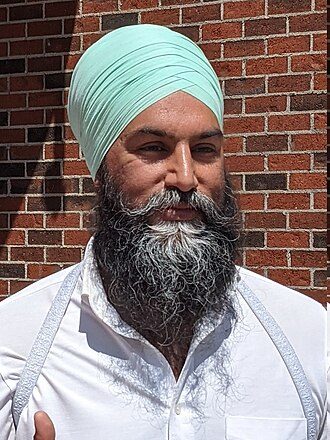 Jagmeet SinghFormer leader of the New Democratic Party of Canada (2017 to 2025); former Ontario MPP and Member of Parliament
- JJaspal Singh SidhuJournalist, retired Special Correspondent of United News of India; co-editor of Embedded Journalism, Punjab
- JJathedar Gurcharan Singh TohraPresident of the SGPC (1973 to 1999 in stretches, and 2003 to 2004); Akali leader; Member of Parliament
- JJugti RamAssistant Sub-Inspector and duty officer, Kalyanpuri police station, Delhi (1984)
- KGB (Soviet Committee for State Security)The Soviet security and intelligence agency (1954 to 1991); Mitrokhin's notes say its Delhi operations planted press stories and forged papers on Sikh separatism.
- KKamal NathSenior Congress leader; former Chief Minister of Madhya Pradesh; accused by witnesses of leading the mob at Gurdwara Rakab Ganj in 1984
- KKanwarpal SinghSpokesperson of Dal Khalsa
- KhalistanThe name of a proposed sovereign Sikh state. Put forward in a 1940 pamphlet, declared in 1980 and on 29 April 1986, and backed today by some Sikh groups. The Indian government rejects it.
- Khalistan Commando Force (KCF)Kharku armed group named in the Panthic Committee's 29 April 1986 Declaration as the base of Khalistan's defence force; banned by India. Its Lahore-based chief Panjwar was shot dead in 2023.
- KKhushwant SinghWriter, historian and editor; author of A History of the Sikhs and Train to Pakistan
- KKishori LalConvicted of murder in the Trilokpuri killings of November 1984; death sentence reduced to life
- Kusum Lata Mittal Committee (Kapur-Mittal Committee)A 1987 inquiry into Delhi Police conduct in November 1984; Kusum Lata Mittal's separate 1990 report indicted 72 officers, and few were punished.
- LL.K. AdvaniCo-founder of the BJP; former Union Home Minister and Deputy Prime Minister of India
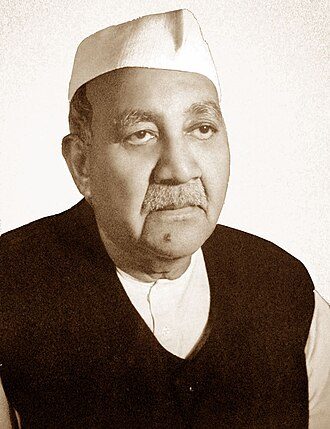 Lala Jagat NarainNewspaper owner (Hind Samachar group); former Congress politician
- LLalit MakenCongress member of Parliament from Delhi (1984 to 1985); trade union leader
- LLt Gen Kuldip Singh BrarRetired Indian Army officer; commander of the ground assault in Operation Blue Star
- Madras RegimentIndian Army infantry regiment traced to 1758 under the East India Company. Its 26th Battalion was among the units sent into Sri Harmandir Sahib in the June 1984 attack, Operation Blue Star.
- MMajor General Shahbeg SinghMajor General, Indian Army; Mukti Bahini trainer in 1971; military adviser to Sant Jarnail Singh Bhindranwale; Shaheed of 1984
- MMallika KaurLawyer, author and lecturer at UC Berkeley Law; co-founder of the Sikh Family Center
- MMani Shankar AiyarCongress politician, former diplomat and Union minister
- MManmohan SinghPrime Minister of India, 2004 to 2014; first Sikh Prime Minister
- MManoj MittaJournalist and author; senior editor at The Times of India; co-author of When a Tree Shook Delhi
- MMaxwell PereiraAdditional Deputy Commissioner of Police, North District, Delhi, in 1984; defended Gurdwara Sis Ganj Sahib
- Melbourne, AustraliaCapital of Victoria, the Australian state with the most Sikhs. Home of the Victorian Sikh Association and the Vaisakhi Nagar Kirtan, and a stage for 1984 remembrance marches and a 2023 vote.
- Misra CommissionOne-man inquiry under Justice Ranganath Misra into the November 1984 killings of Sikhs in Delhi. It reported in August 1986, was tabled in February 1987, and called the violence a backlash.
- Nanavati CommissionThe one-man inquiry on the November 1984 Delhi killings, appointed in May 2000 under Justice G. T. Nanavati. Its report, tabled on 8 August 2005, named Tytler and Sajjan Kumar and led to an apology.
- NNarendra ModiPrime Minister of India since 26 May 2014; Chief Minister of Gujarat 2001 to 2014; leader of the Bharatiya Janata Party
- New Democratic Party of Canada (NDP)Canada's social-democratic federal party, led by Jagmeet Singh from 2017 to 2025. Singh moved a 1984 genocide motion in Ontario in 2016 and the NDP pledged in 2024 to seek recognition in Parliament.
- NNikhil KumarIndian Police Service officer; Commissioner of Police, Delhi 1995 to 1997; MP; Governor of Nagaland and Kerala
- Norwich, ConnecticutA small Connecticut city: a Sikh resident helped win a state day for the Tesra Ghallughara in 2018, a 1984 memorial at its library went up and came down in 2019, and a Sikh mayor won in 2025.
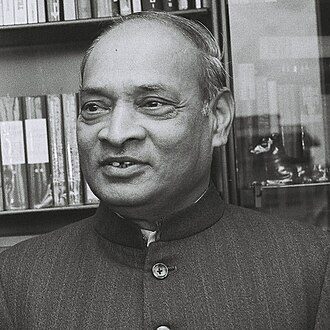 PV Narasimha RaoUnion Home Minister, July to December 1984; Prime Minister of India 1991 to 1996
- Panthic CommitteeFive-member body named by the Sarbat Khalsa of 26 January 1986 to lead the Panth. It issued the Declaration of Khalistan on 29 April 1986; later rival committees used the same name.
- Parachute Regiment (Indian Army)The Indian Army's airborne and special forces regiment, re-raised on 15 April 1952. Its 1 Para Commandos had a part in the plan for Operation Blue Star in June 1984.
- Parliament of IndiaIndia's legislature: the President, the Lok Sabha and the Rajya Sabha. It passed the Punjab Reorganisation Act, Punjab's 1988 emergency powers, TADA, and the farm laws and their repeal.
- PParmjeet Singh GaziChief Editor of Sikh Siyasat News; writer and speaker on the 1984 genocide and Panthic politics
- PPatwant SinghWriter, publisher and Sikh historian; founding editor of Design magazine
- PPav SinghAuthor; editor of the 1984 Sikh Archive; community advocate at the Wiener Library, London
- People's Union for Civil Liberties (PUCL)Indian civil liberties body founded in 1976 and made a membership organisation in 1980. With PUDR it published Who Are the Guilty?, an inquiry into Delhi's November 1984 Ghallughara, within weeks.
- PunjabLand of the five rivers, divided in 1947 and again in 1966. In Indian Punjab Sikhs are about 58 percent of the people, the only Indian state where they are a majority.
- Punjab PoliceThe state police force that carried out the 1984 to 1995 counter-insurgency. Courts and rights groups document illegal cremations and disappearances; rights groups say its architects were never tried.
- RAW (Research and Analysis Wing)India's external intelligence agency, set up in 1968. Named in the Third Agency claims about 1984 and, by US prosecutors, in the 2023 plot to kill Gurpatwant Singh Pannun in New York.
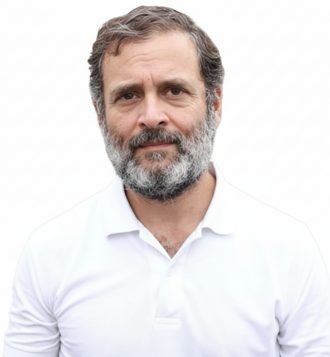 Rahul GandhiCongress leader; Leader of the Opposition, Lok Sabha (2024 onwards); Congress president 2017 to 2019
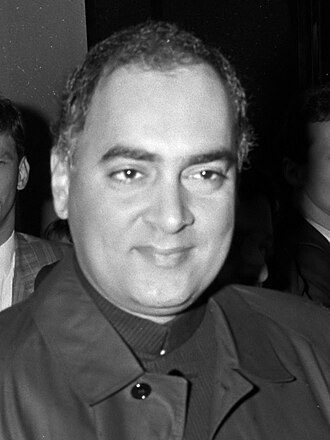 Rajiv GandhiPrime Minister of India (1984 to 1989); signed the Rajiv-Longowal Accord
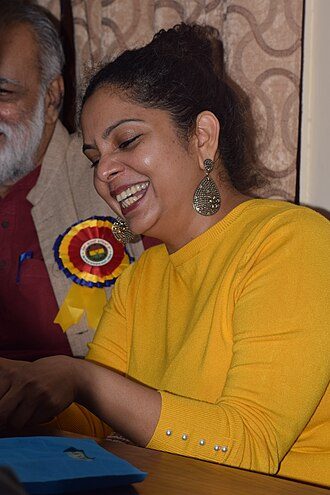 Rana AyyubJournalist and columnist; author of Gujarat Files: Anatomy of a Cover Up
- SIT 1984The special investigation teams set up since 2015 to reopen closed cases from the November 1984 Delhi massacre of Sikhs: first the Home Ministry's, then the Supreme Court's in 2018.
- SSajjan KumarCongress politician; three-time Lok Sabha member from Outer Delhi; convicted for killings in the November 1984 pogrom
- SSanjay GandhiYounger son of Indira Gandhi; the unofficial power of the Emergency (1975 to 1977)
- SSanjay SuriJournalist and author of 1984: The Anti-Sikh Violence and After
- HSant Harchand Singh LongowalPresident of the Shiromani Akali Dal (1980 to 1985)
- JSant Jarnail Singh BhindranwaleHead of the Damdami Taksal; Dharam Yudh Morcha leader; killed in Operation Blue Star
- Sarbat KhalsaThe assembly of the whole Khalsa Panth, meeting before the Guru Granth Sahib at the Akal Takht. Its gurmatas bound every Sikh. Revived in 1986 and 2015, its authority is still contested.
- SSardar Swaran SinghUnion Cabinet minister (External Affairs, Defence and others); Congress negotiator with the Akalis in the early 1980s
- SSewa DassDeputy Commissioner of Police, East Delhi (1984)
- SShaheed Bhai Beant SinghBodyguard of Prime Minister Indira Gandhi; honoured by Sikh institutions as a Shaheed
- SShamsul IslamRetired Delhi University political science teacher, author and street-theatre director; writer on 1984 and the RSS
- SShoorveer Singh TyagiStation House Officer, Kalyanpuri police station, East Delhi (1984)
- Sikh Educational and Religious FoundationOhio-based Sikh publisher and tax-exempt foundation behind Ranbir Singh Sandhu's 1997 essay on Bhindranwale and his 1999 translation of Bhindranwale's speeches, Struggle for Justice.
- Sikh Youth Alliance of North America (SYANA)Volunteer Sikh youth body in the US and Canada that traces itself to 1968. It runs Gurmat camps, a retreat and the International Sikh Youth Symposium, a speaking and debate contest for ages 6 to 22.
- Sikhs for Justice (SFJ)A New York group founded in 2007 that took 1984 cases to US courts and now runs the Khalistan Referendum. India banned it in 2019; a US court has heard a plot to kill its general counsel.
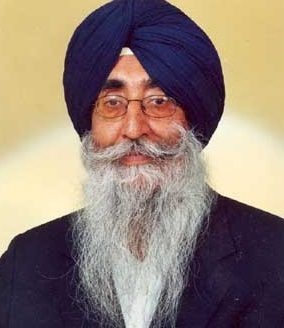 Simranjit Singh MannPresident of Shiromani Akali Dal (Amritsar); former IPS officer; former Member of Parliament
- SSonia GandhiCongress leader; Congress president 1998 to 2017
- Sri Akal Takht SahibThe senior seat of Sikh religious authority, raised opposite the Harmandir in Amritsar by Guru Hargobind in 1606. Its hukamnamas bind the Panth, and who holds its jathedar's office is hotly contested.
- Sri Harmandir SahibThe central shrine of the Sikh Panth, raised by Guru Arjan Dev in the Amrit Sarovar at Amritsar. Attacked and rebuilt many times, most recently in June 1984. Managed by the SGPC.
- SSubramanian SwamyEconomist and politician; former Janata Party president; Rajya Sabha member
- Surya magazineIndian magazine (Surya India) whose September 1984 cover story, citing RAW sources, said a special agency under the Prime Minister's office supervised arms smuggling into the Golden Temple complex.
- TThomas MulcairFormer leader of Canada's New Democratic Party and Leader of the Official Opposition
- Tom Lantos Human Rights CommissionBipartisan human rights body of the US House, set up in 2008. It held a briefing on the November 1984 Delhi massacres on 30 September 2014 and a hearing on transnational repression on 24 June 2025.
- VVed MarwahAdditional Commissioner of Delhi Police who led the 1984-85 police inquiry; later Delhi Police Commissioner and Governor of Manipur and Jharkhand
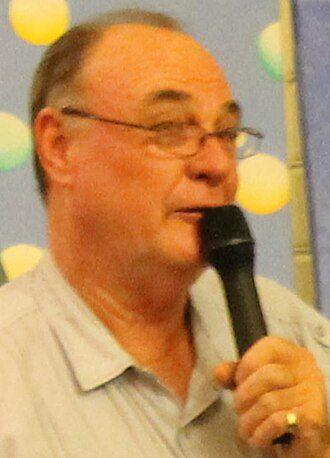 Warren EntschAustralian MP for Leichhardt (Liberal National Party of Queensland), 1996 to 2007 and 2010 to 2025
- Was November 1984 a genocide or “riots”?India rejects the word genocide; the Delhi High Court found crimes against humanity; the Akal Takht and SGPC say genocide. The toll, the findings and the Panthic reply.
- Was Operation Blue Star unavoidable, and why was it timed for the Shaheedi purab of Guru Arjan Dev?A last resort and a coincidence of dates, says the government. Near-settlements, Army officers who called it unnecessary and pilgrims in the complex, says the record. The sources side by side.
- Was Sant Jarnail Singh Bhindranwale a separatist who demanded Khalistan?His recorded words: Khalistan not asked for, not opposed, and accepted if Delhi gave it. What the speeches, reporters and the Anandpur Sahib Resolution show, and what each side says.
- Was the Rajiv-Longowal Accord a betrayal or a lost opportunity?Signed July 1985, never fully kept: Chandigarh did not move. Its negotiators blame Akali rivals; the 1986 Sarbat Khalsa called it a breach of trust. What the text and record show, and each answer.
- Was the burning of the Sikh Reference Library and the damage to Sri Akal Takht Sahib deliberate?The Army says the Library burned in the fighting and the Takht fell to a fortified battle. Sikh sources say the Library was burned after it. The Centre has admitted holding seized Sikh manuscripts.
- Who bombed Air India Flight 182, and was the case ever solved?Courts and Canada’s inquiries point to a Babbar Khalsa plot led by Talwinder Singh Parmar. Only Inderjit Singh Reyat was convicted of the bombing; Malik and Bagri were acquitted in 2005.
- Who organised the November 1984 killings, and why were so few convicted?Inquiries named local Congress leaders and the Delhi Police; none found the high command guilty; 587 FIRs produced few convictions. What the record shows and what the Panth says.
- World Sikh Organization of Canada (WSO)The Ottawa-based Sikh advocacy body, the Canadian branch of the World Sikh Organization formed after Operation Blue Star in 1984. It argues Sikh religious rights in court and documents anti-Sikh hate.
- YYuri AndropovChairman of the Soviet KGB, 1967 to 1982; General Secretary of the Soviet Communist Party, 1982 to 1984